What Is National Home Energy Rating

The National Home Energy Rating Scheme ( NHER ) is both a UK accreditation scheme for energy assessors and a rating scale for the energy efficiency of housing.

Table of Contents

The NHER was owned and operated by National Energy Services (NES). Until 2011, NES was a trading subsidiary of the National Energy Foundation, an independent charity set up in 1988 to promote energy conservation and renewable energy, which launched the NHER scheme in 1991.

UK accreditation scheme for energy assessors and a rating scale for the energy efficiency of housing

In September 2016, NES transferred ownership of the National Home Energy Rating Scheme to Elmhurst Energy another independent accreditation scheme.

The NHER runs an accreditation scheme for energy assessors to produce the following:

  • Energy Performance Certificates for existing dwellings, using RDSAP
  • Energy Performance Certificates for new build dwellings, using SAP
  • Energy Performance Certificates for non-domestic buildings dwellings, using SBEM
  • Display Energy Certificates for public buildings, using DECs

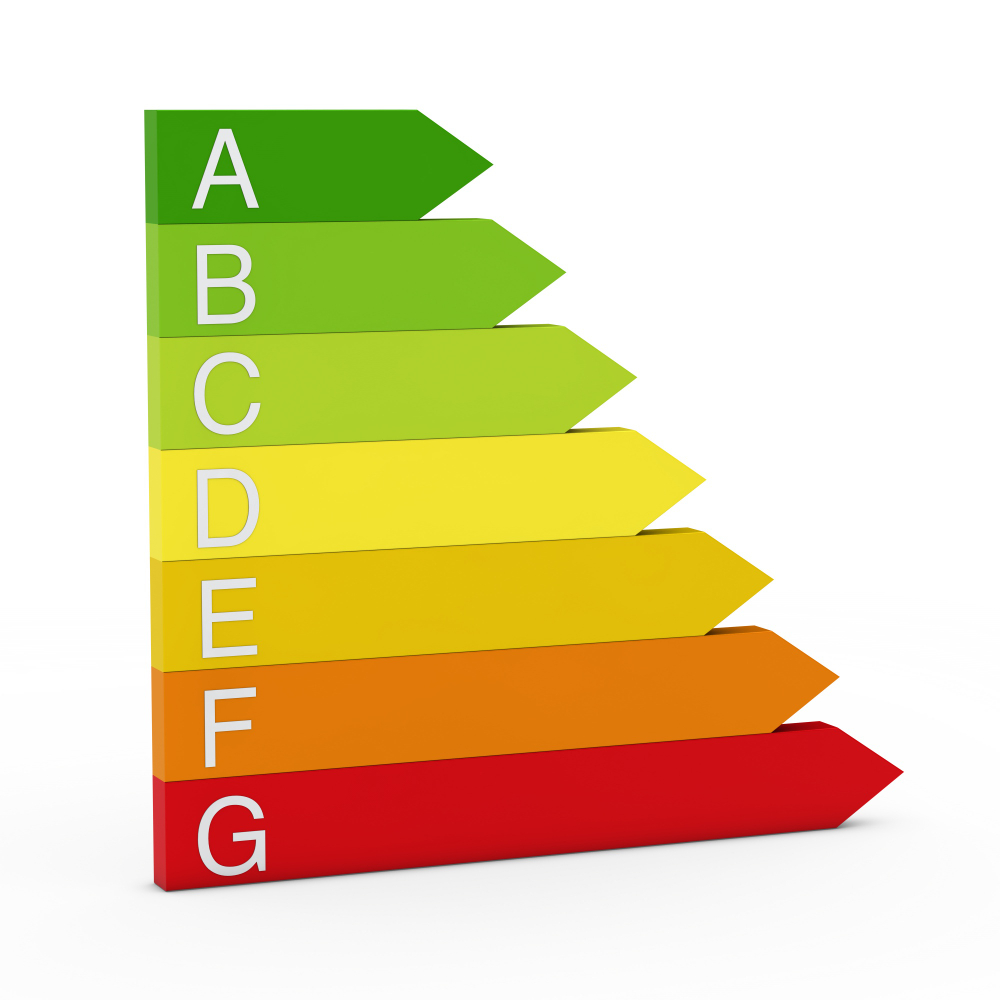
The NHER scale for new build dwellings runs from 0 to 20, with 20 being best. It uses different criteria than the Standard Assessment Procedure (SAP) rating. The NHER rating takes into account the local environment and the effect it has on the building’s energy rating. The NHER calculates the costs of space and water heating but adds cooking, lights and appliances to give a comprehensive picture of energy usage in the home.

An average dwelling in England would currently score between 4.5 and 5.5 on the NHER scale. A gas-heated masonry semi meeting current United Kingdom Part L1 Building Regulations would score approximately NHER 10. A dwelling with a National Home Energy Rating rating 20 achieves zero CO2 emissions along with zero net running costs.

Related Articles you may like

HEPA Filter
What is a HEPA filter?

A HEPA filter, or High-Efficiency Particulate Air filter, is a type of air filter that is designed to remove 99.97% of particles that have a size of 0.3 micrometres (µm) in diameter from the air that passes through it. This level of filtration makes HEPA filters very effective at improving air quality and reducing airborne contaminants.

Read More »
Clean Air Day 2022
5 Ways to Celebrate Clean Air Day

On the International Clean Air Day, 16th June 2022, the Global Action Plan (GAP) hopes to keep up the momentum and resources for the next Clean Air Day in. The aim of Clean Air Day is to promote air pollution reduction by individuals, businesses, schools, local authorities, and other sectors. It is an occasion to reflect on our differences and the role we can all play to protect our environment. Here are five ways that we can help save the planet and reduce air pollution.

Read More »